Visual Materials
Edison Scrap Drives

You might also be interested in
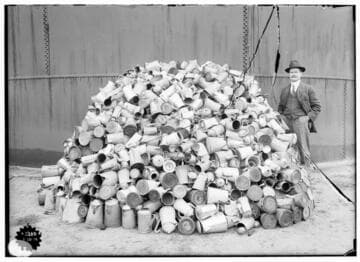
Edison Scrap Drives - A man standing beside a pile of junk coffee pots. The image is almost identical to that of 02
Visual Materials
Edison Scrap Drives - A man standing beside a pile of junk coffee pots. The image is almost identical to that of 02-02199.
photCL SCE 02 - 02200
Edison Scrap Drives
Visual Materials
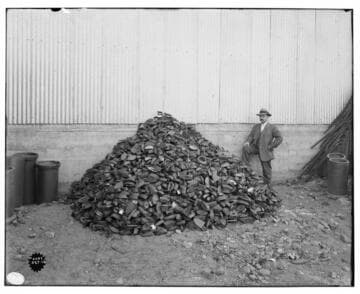
Edison Scrap Drives - A man by a pile of non electric irons turned to edison, Iverson in background
photCL SCE 02 - 02097
![Edison Scrap Drives - Junk Sad Irons [pile of old non-electric irons]](/_next/image?url=https%3A%2F%2Frail.huntington.org%2FIIIF3%2FImage%2F22APN44A7KAT%2Ffull%2F%5E360%2C%2F0%2Fdefault.jpg&w=750&q=75)
Edison Scrap Drives - Junk Sad Irons [pile of old non-electric irons]
Visual Materials
Edison Scrap Drives - Junk Sad Irons [pile of old non-electric irons] - Iverson in background
photCL SCE 02 - 02096
Edison Scrap Drives - Pile of old sad irons (non
Visual Materials
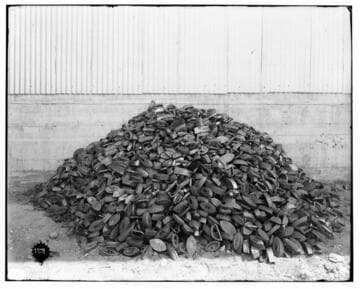
Edison Scrap Drives - Pile of old sad irons (non-electric)
photCL SCE 02 - 02083
Edison Scrap Drives
Visual Materials
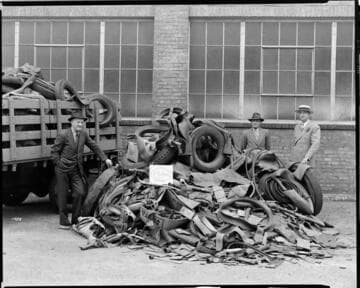
Edison Scrap Drives - Edison Scrap Rubber collected for U. S. War Rubber Drive - P. H. Ducker - Transportation, A. B. Myers - Sales agent, Salvage Dept., and E. F. Watkins - Purchasing Dept. (l to r).
photCL SCE 05 - 51098
Image not available
Edison Scrap Drives (1-12)
Visual Materials
The Southern California Edison collection of negatives and photographs consists of approximately 80,000 images created and acquired by the company from approximately 1883-1989, with the bulk of the collection covering 1910-1960. Formats include glass and film negatives, photo cards, loose photographs, photograph albums, lantern slides, and related materials. Most of the images were produced by Edison staff and contract photographers to document Edison facilities, products, operations, activities, and employees and for the purposes of education, advertising, training, and liability. The SCE collection offers a range of subjects far broader than the company's original intent. In addition to infrastructural images of transmission lines, steam plants, substations, equipment, vehicles, and hydroelectric plants, the company captured the uses of light and electricity in its myriad capacities, including night lighting of streets, billboards, storefronts, and gas stations; electric kitchens and appliances in domestic and industrial settings such as restaurants and cafes; agricultural innovations in the dairy and poultry industries; lighting for recreational uses such as swimming pools, bathhouses, tennis courts; golf courses; office work; and accident scenes and disasters, particularly the St. Francis Dam disaster of 1928.
photCL SCE