Manuscripts
Family of Jonathan Paul Williams. William Franklyn Williams is standing. Jonathan P. Williams is reported to have been the one who started the San Juan gold boom in 1892. William F. claims to have visited Rainbow Bridge in 1884 and 1885

You might also be interested in
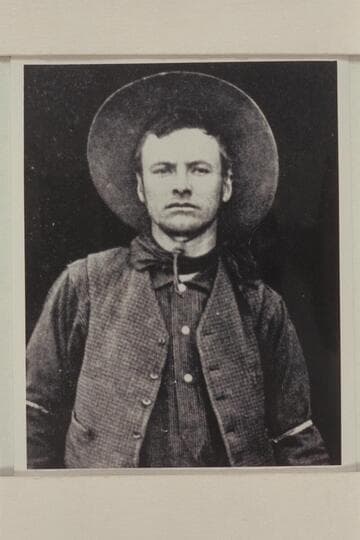
William Franklin Williams. Claimed to have visited Rainbow Bridge in 1884 and 1885
Manuscripts
mssMarston papers V170/0192
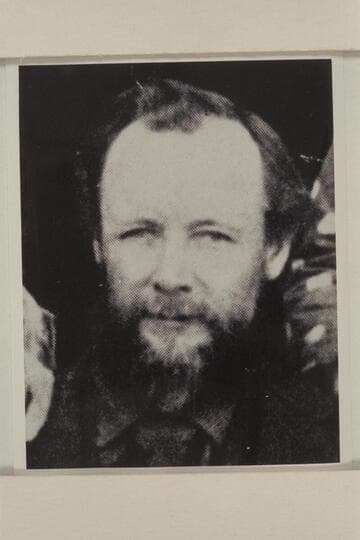
Jonathan Paul Williams, Indian trader of Blue Canyon who is reported to have started the gold boom on the lower San Juan River in 1892
Manuscripts
mssMarston papers V170/0190
Image not available
Williams, William Franklyn, Jonathon, Paul
Manuscripts
Professional and personal papers of Otis R. Marston and his collection of the materials on the history of Colorado River and Green River regions.
mssMarston papers
Image not available
Jonathan Paul Williams, William Franklin Williams, Bernetta (Billie) Yost; Weldon F. Heald, "Who Discovered Rainbow Bridge"
Manuscripts
Professional and personal papers of Otis R. Marston and his collection of the materials on the history of Colorado River and Green River regions.
mssMarston papers
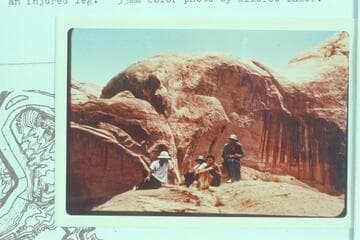
The Nevills party starting the climb down to the top of Rainbow Bridge
Manuscripts
mssMarston papers V032/0152
Image not available
Correspondence, Scamman, Henry to Francesca B. Scamman, 1892, June - Stockton Combined Harvester & Agricultural Works (1884-1885)
Manuscripts
The collection is arranged alphabetically by author, or in the case of ephemera, type. The first six boxes consist entirely of correspondence, the lone exception being a manuscript entitled "Mind your Business," one of Scamman's school papers. Highlights include an extensive series of correspondence between the husband and wife from the early 1890s detailing Scamman's discovery that one of his trusted employees, Henry T. Briggs, had embezzled thousands of dollars from Scamman's bank in Downieville. Though Scamman did not prosecute Briggs criminally, he ordered his disgraced clerk to hand over all of his life insurance, his stock in the gold mine in which both men had invested, and any money in his possession. Also prominent in the correspondence are letters to and from captains of Scamman's ship, the bark "Wildwood." The collection's ephemera component is its largest, and includes business ledgers, checks, legal documents, receipts, bills, mortgages, promissory notes, insurance policies, deeds, and tax forms. There is also an autographed copy of a book given to Scamman's daughter in 1932 in oversize. Subjects in the collection include: agriculture; banks and banking; Butte County and Downieville (Calif.); merchant ships; mining; and Saco (Me.).
mssScamman papers